
Max Verstappen: Formula 1’s "Average" Superstar?
Max Verstappen: The 'Average' F1 Superstar Who's Dominating Without Breaking a Sweat

Max Verstappen: The name that rolls off the tongue like an F1 car accelerating out of the pit lane. The Dutch driver has become synonymous with the word "dominance" in recent seasons, and understandably so. His achievements have left many fans wondering if he’s the best thing to happen to Formula 1 since, well, ever. But before we all start genuflecting at the altar of Verstappen's success, let’s step back, have a laugh, and take a good hard look at the statistics. Because, on closer inspection, you might just find that Max Verstappen is, dare I say, average—and we might have to reconsider that "next Senna" tag.
Now, before the Verstappen loyalists begin firing up their keyboards in anger, let’s clarify something: Max Verstappen is undoubtedly a talented driver. That’s not up for debate. He’s quick, precise, and a brilliant racer. But is he truly as revolutionary as some would have you believe? Let's go through the stats and, see if we can puncture the inflated sense of grandeur surrounding this racing superstar.
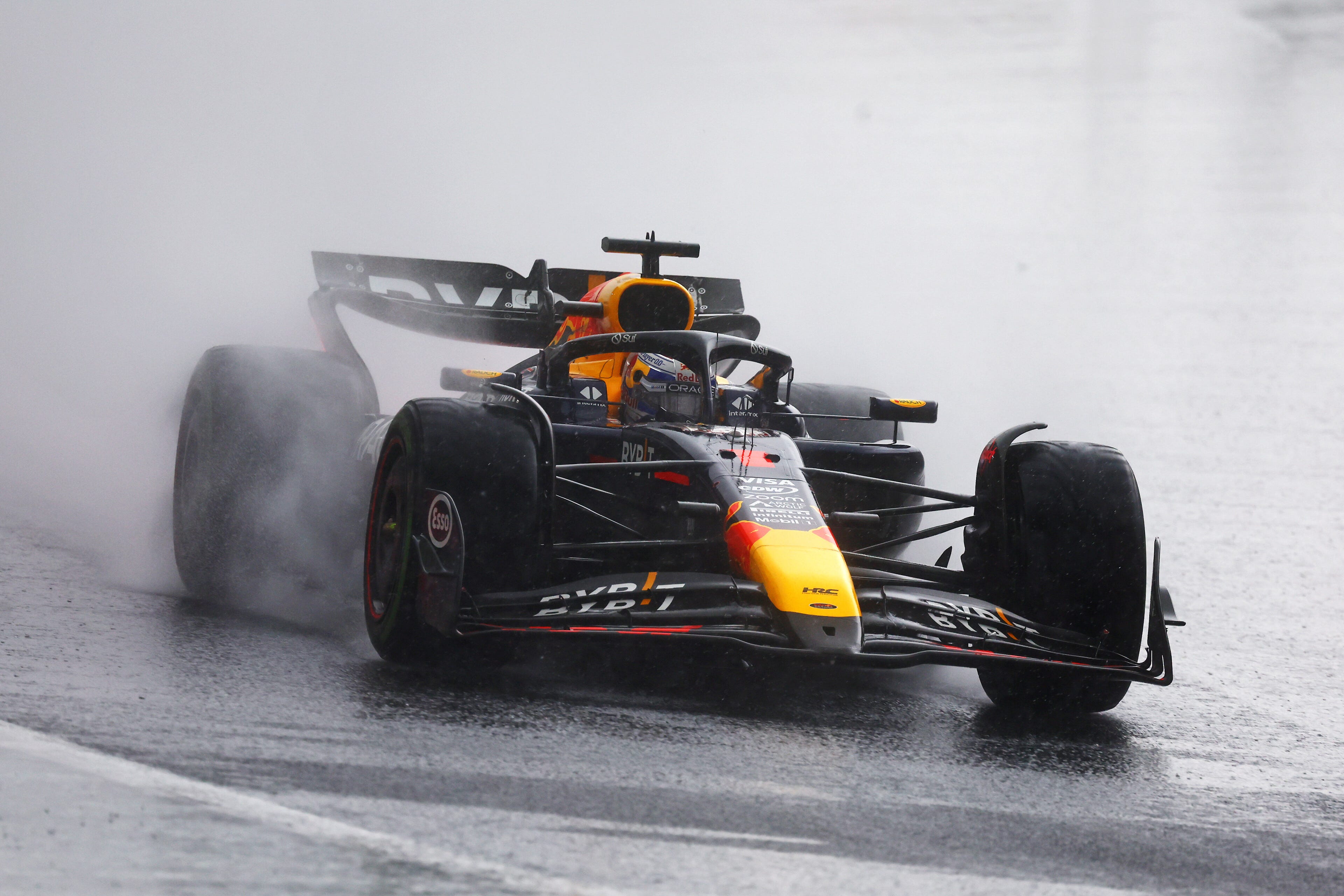
Let’s start with the wins. In 2022, Max secured 15 victories, and in 2023, he notched up a staggering 19. That’s fantastic, right? Well, sort of. It sounds impressive, especially when you compare it to previous records in F1. But here’s the kicker: Max Verstappen’s Red Bull has been, for all intents and purposes, a rocket ship with wheels. It’s been head and shoulders above the competition in recent years, with Verstappen driving it to victory while his competitors, like Lewis Hamilton and Charles Leclerc, are fighting over scraps in less competitive cars. Remember that one time when Mercedes was dominant? Remember that time when Ferrari actually managed to be competitive? Well, in this new era, Red Bull is the undisputed king of the track, and Max just happens to be in the car with the best chance of winning every weekend.
Now, don’t get me wrong, winning races is a hard thing to do, no matter what the car. But when you’re driving the most superior machine on the grid, it’s not exactly a "David vs Goliath" scenario, is it? Compare Max's recent run with Michael Schumacher's mid-2000s dominance at Ferrari. Schumacher had to overcome technical challenges, tough competition, and internal team politics to achieve his wins. Max, by contrast, has often been on a cruise control victory lap, which certainly makes those 19 wins feel less heroic and more like "Well, of course, Max won again."
Next, let's talk about pole positions. Over his career, Max has secured 24 pole positions. Impressive, right? But once again, let’s not forget the context. The man has been in the fastest car on the grid for the better part of the last few seasons, and pole positions, under these circumstances, seem more like an inevitability than an achievement. Pole position isn't a mark of the driver’s pure talent; it's more about how well the car can put down a lap time. Just like if you were driving a go-kart powered by jet fuel—wouldn't you be getting the fastest times too?
Then there’s the issue of laps led. Max Verstappen set a new record in 2023 for laps led, clocking an astonishing 1,500 laps. It’s a stat that makes you go, “Wow, what a feat!” But again, it raises the question: How much of that is Max, and how much is the car? When you start every race at the front and barely face any real challenges during the race, leading laps is just part of the package. Max might have led all these laps, but a large portion of them were under circumstances where he was already so far ahead of the pack, the only real danger he faced was running out of coffee. Where's the drama, the grit, the nail-biting tension that has defined some of F1's greatest drivers? When Verstappen's in the lead, it's more likely that the only excitement in the race will come from watching the timing screens to see how far ahead of second place he can get.
Now let’s shift gears (pun intended) and talk about Max’s off-track persona. Ah, the lovely world of PR and media. Verstappen’s public image is often described as straightforward, no-nonsense, and a little bit grumpy. Is this a flaw? Absolutely not. The guy's a racer, not a social media influencer. But when you're consistently compared to legends like Ayrton Senna or Michael Schumacher, a bit of charisma wouldn't go amiss. Lewis Hamilton, for example, is adored for his community work, his social media presence, and his ability to transcend the sport. Max, on the other hand, comes across more like the guy who insists on making his own coffee in the break room, even though there’s a perfectly good machine next to him. Sure, he’s a talented driver, but let’s face it—he’s not winning any awards for personality.
Let’s not even get started on his "grumpy neighbour" vibe with the media. Where Hamilton gets praised for his thoughtful answers and generally kind demeanor, Verstappen’s responses often come across as less "role model" and more "disgruntled schoolboy." It's a bit of a letdown for those hoping to see a bit of charm alongside the winning streak. Could Verstappen be the total package if he had a little more sparkle off-track? Absolutely.
But enough about the intangibles; let’s talk numbers again. The real test of a driver’s skill, beyond just the wins and the laps, lies in the head-to-head battles with teammates. Max has consistently had teammates who have struggled to challenge him. Daniel Ricciardo, for instance, never quite had the pace to match Verstappen at Red Bull. And his most recent teammate, Sergio Perez, has often been relegated to the role of "Max's backup driver" rather than a true rival. If Max is as good as people say, why has he yet to face a teammate who can push him to his limits? What would he do if he had a genuine fight for supremacy within his team?
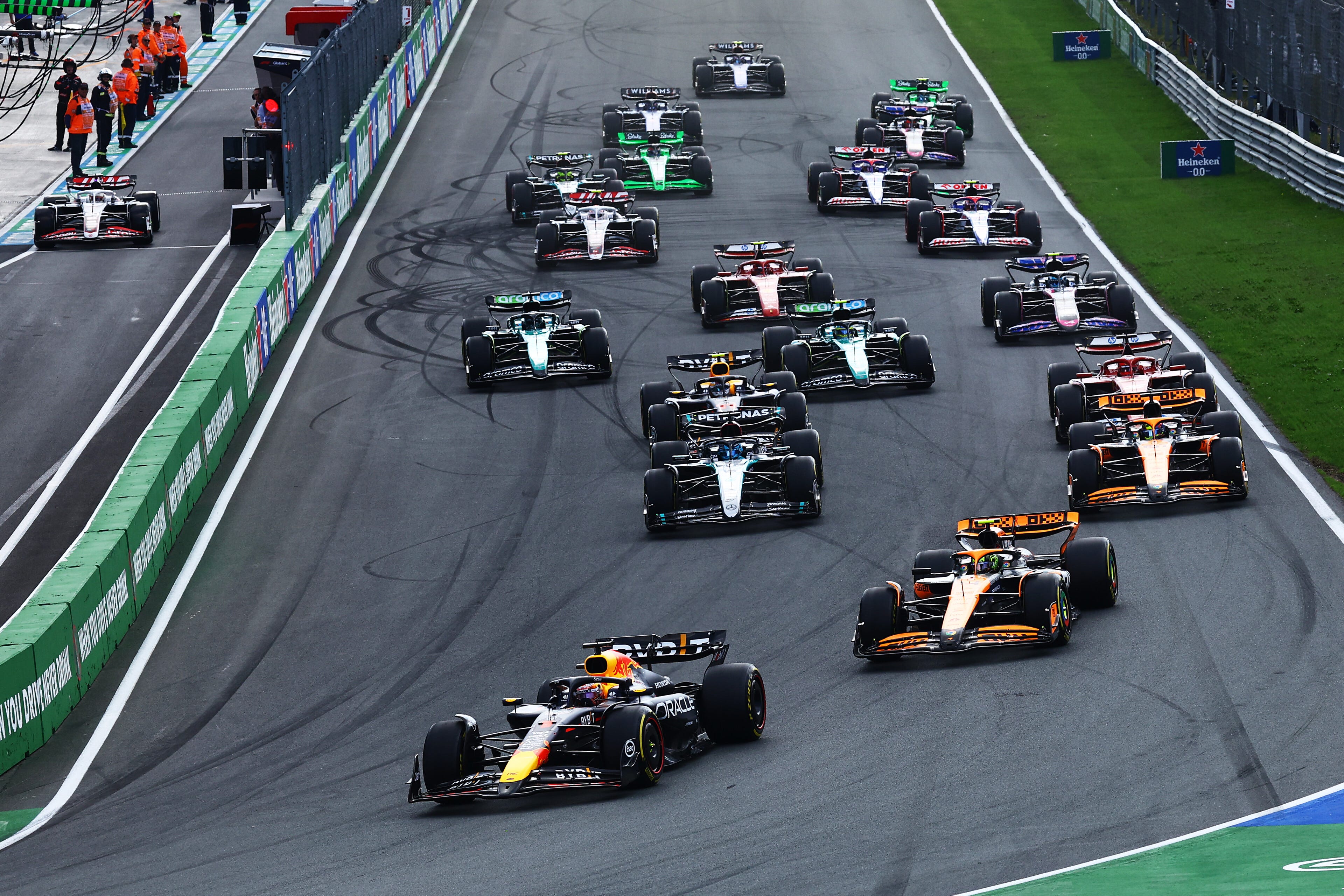
In conclusion, let's be honest: Max Verstappen is undeniably a skilled driver. But before we all start erecting statues of him and calling him the greatest F1 driver of all time, let's remember that context matters. A 19-win season sounds great, but when the competition is struggling to keep up with your car, is it really a massive achievement? Sure, Max has done well with what he’s got, but he’s been handed a car that’s so far ahead of the pack, it makes winning look easy. It’s not Max’s fault; it's just the circumstances. So, while Max might be the best in a very specific context, we need to remember that "average" in F1 isn't always as bad as it sounds—especially when you're comparing apples to, well, Red Bull-powered apples. And let’s face it: if we keep the comparisons going, Max might just end up looking more like a very fast, very efficient average Joe than the legend everyone’s trying to make him out to be.